
Blog
Burst Pipe? Here’s What to Do Right Now
A step-by-step guide to limiting the damage in the first few minutes — and knowing exactly when to call in a professional.
A burst pipe is one of those plumbing emergencies that turns a normal afternoon into a race against the clock. Water can spread fast, soaking floors, walls and ceilings within minutes, and the shock of the moment makes it easy to freeze rather than act.
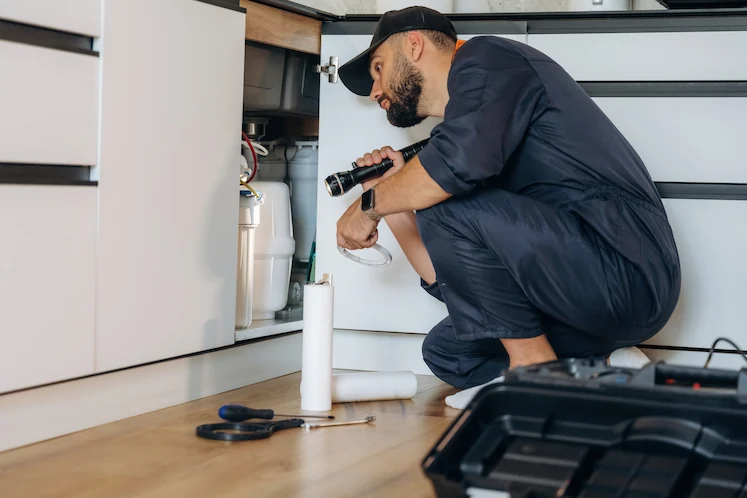
Act fast on the first few steps — they matter more than anything else.
Quick answer: Turn off your stopcock immediately, switch off nearby electrics if the leak is close to sockets, contain the water, then call an emergency plumber. Full steps below.
The First 10 Minutes
What to Do, Step by Step
1
Turn off your water supply
Find your stopcock — usually under the kitchen sink, near the water meter, or under the stairs — and turn it clockwise until it stops. This won’t empty the pipes, but it stops the situation getting worse. Worth finding it today, before an emergency happens.
2
Turn off electrics near the leak
Water and electricity don’t mix. If the leak is anywhere near sockets or appliances, turn off the relevant circuit at your fuse board. Never touch a switch with wet hands — if there’s any doubt, wait for a professional.
3
Drain the system and contain the water
Open your cold taps to drain water still sitting in the pipes. Use towels and buckets to protect flooring. If water is bulging through a ceiling, carefully puncturing a small hole to release it into a bucket is safer than letting the ceiling give way on its own.
4
Call an emergency plumber
With the water off and the danger contained, call in help. Our emergency plumbers cover every BS postcode, 24 hours a day, and specialise in fast burst pipe and leak repairs — with a fixed price agreed before we start.
Understanding the Cause
Why Do Pipes Burst?
Knowing the cause can help you avoid a repeat.
Frozen Pipes
Water expands as it freezes. In cold snaps, pipes in unheated spaces like lofts, garages or exterior walls are most at risk — the ice puts pressure on the pipe until it cracks or splits.
Old or Corroded Pipework
Older properties often have pipework that’s simply reached the end of its life. Corrosion weakens the pipe walls over time until normal water pressure is enough to cause a failure.
High Water Pressure
If your mains pressure is unusually high, it puts extra strain on every joint and pipe in your system, particularly older or already-weakened sections.
Looking Ahead
How to Prevent Burst Pipes in Future
- Insulate exposed pipesLag pipes in lofts, garages and exterior walls before winter sets in.
- Keep heating on low in cold snapsA consistent low setting is safer than switching the heating off entirely.
- Know where your stopcock isFind it now, so you’re not searching for it in a panic during an emergency.
- Get older pipework checkedPeriodic checks catch corrosion before it turns into a failure.
Don’t Wait for a Small Leak to Become a Big Problem
Whether it’s a full burst or just a slow drip you’ve noticed under a cabinet, it’s almost always cheaper and less stressful to deal with it early. Every job we carry out is backed by our workmanship guarantee, with clear, fixed pricing shown upfront on our price list — so you know what to expect before we even arrive.
Dealing With a Burst Pipe Right Now?
Call now and we’ll confirm your fixed price before we start.
Call Now — 0117 409 0883